 Skynor Labs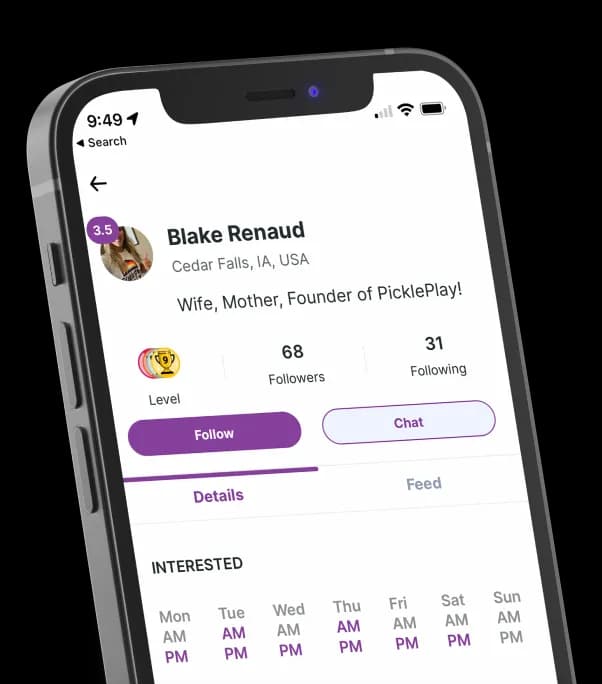

Start with a decision the project needs to unlock
“We need React Native developers” describes a resource. It leaves the difficult questions unanswered: what needs to change, what can stay as it is, and how will you know the work is finished?
A useful brief can fit on one page. Give a prospective team the current product, the problem, the deadline and the constraints. Ask them to explain what they would examine before estimating. The quality of those questions is useful evidence when you compare partners.
Choose the right starting scope
A performance review makes sense when the product works but a specific journey feels slow. Name the journey: cold launch, opening a feed, searching or moving between screens. Include the devices on which you can reproduce the issue. The first deliverable should be a baseline, identified bottlenecks and a prioritized plan. Agree separately whether implementation is included. Avoid a blanket frame-rate promise without a device and workload definition. React Native's performance documentation explains why release builds matter when evaluating performance.
An Expo upgrade starts with the current SDK, native dependencies and release process. Share any build failure and list the flows that cannot regress: authentication, deep links, payments, notifications or offline behavior. Ask for a compatibility review, migration work and release checks as separate parts of the estimate. Use the official Expo upgrade guide to ground the plan in the versions your app actually uses.
A new mobile product needs a smaller first release than most initial feature lists suggest. Describe the primary user and the task they should be able to complete. Separate launch requirements from later ideas. A team can then estimate a coherent journey instead of a collection of unrelated screens.
Our mobile engineering services follow these three starting points.
Make proposals comparable
Ask each team to respond to the same questions:
- What will be delivered, and what is explicitly outside the scope?
- Which assumptions need validation before the estimate is reliable?
- Who owns backend, design, testing and store submission?
- What access is needed, and when?
- What will be demonstrated at each milestone?
- How will changes to scope affect the schedule and price?
- What remains after delivery: documentation, support and unresolved issues?
A lower estimate is difficult to evaluate if one proposal includes release testing and another stops at feature implementation. Resolve that difference before comparing totals.
Define acceptance in user terms
“Authentication complete” is ambiguous. A more useful acceptance check describes sign-in, an expired session, a failed network request and returning to the app from a link. Choose the cases that matter to your product rather than copying a long generic checklist.
Include device coverage in the agreement. If customers use tablets, say which layouts and orientations matter. If lower-end Android phones are important, name a representative device. Simulator screenshots alone do not establish how a production build behaves on hardware.
Ask for relevant evidence
Look for work with similar product constraints. A community app with discovery, messaging and events can show experience coordinating several user journeys. Our PicklePlay project overview describes that delivery scope.
Ask what the team contributed and what belonged to other partners. A list of logos cannot answer that question. If a case study includes a performance or business result, ask how it was measured and over what period.
Copy this brief
Product: A link or a short description of the app and its users.
Problem: The specific journey, technical blocker or missing capability.
Current state: Live product, prototype or new build; relevant stack and versions.
First useful outcome: What should be demonstrably different at the end?
Constraints: Deadline, budget range, device requirements and internal dependencies.
Ownership: Who provides design, backend access, store accounts and approvals?
Acceptance: The journeys and release checks that define completion.
You do not need to solve the architecture before making contact. Bring the information you have, mark the unknowns, and let the first conversation narrow the work. Share your mobile project with Skynor Labs.